
Have you ever wondered how much of an impact pests and weeds can have on the health and appearance of your commercial outdoor spaces?
When it comes to maintaining a professional image, even the smallest issues can quickly become noticeable. As part of our experienced commercial garden maintenance service, we focus on building strong foundations that keep landscapes thriving all year round.
By understanding how pests and weeds behave and knowing the right strategies to control them, we help businesses protect their investment and present well-maintained, welcoming grounds. A proactive approach always delivers the strongest long-term results.
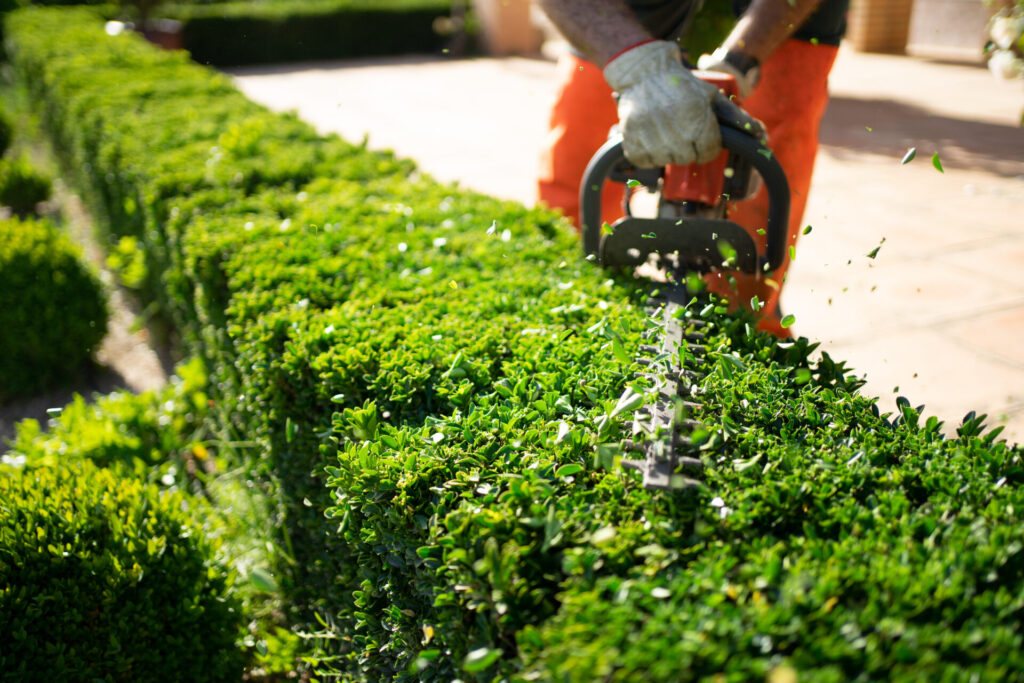
Understanding the Role of Preventative Garden Maintenance
Preventative maintenance is one of the most effective ways to keep commercial landscapes healthy, resilient and visually consistent. When we take a proactive approach, we can address potential issues before they become costly or disruptive, which is especially important for properties with high foot traffic or large areas of planting. Healthy plants naturally resist many pests and diseases, so regular watering checks, soil improvement and pruning all play a major role in keeping your garden strong.
Why Proactive Measures Matter
Seasonal inspections help us identify subtle early warning signs such as leaf damage, changes in colour or unusual growth patterns. These minor indicators often point to pests or weeds beginning to establish themselves. By responding early, we can avoid escalation and reduce the need for corrective chemical treatments.
Building a Long-Term Strategy
A preventative plan also ensures your landscape remains consistent with your business values. Whether we are monitoring irrigation performance, removing organic debris or adjusting maintenance tasks with the seasons, everything works together to minimise risk. This approach not only protects plant health but also supports a cleaner, safer and more professional appearance across your entire outdoor environment.
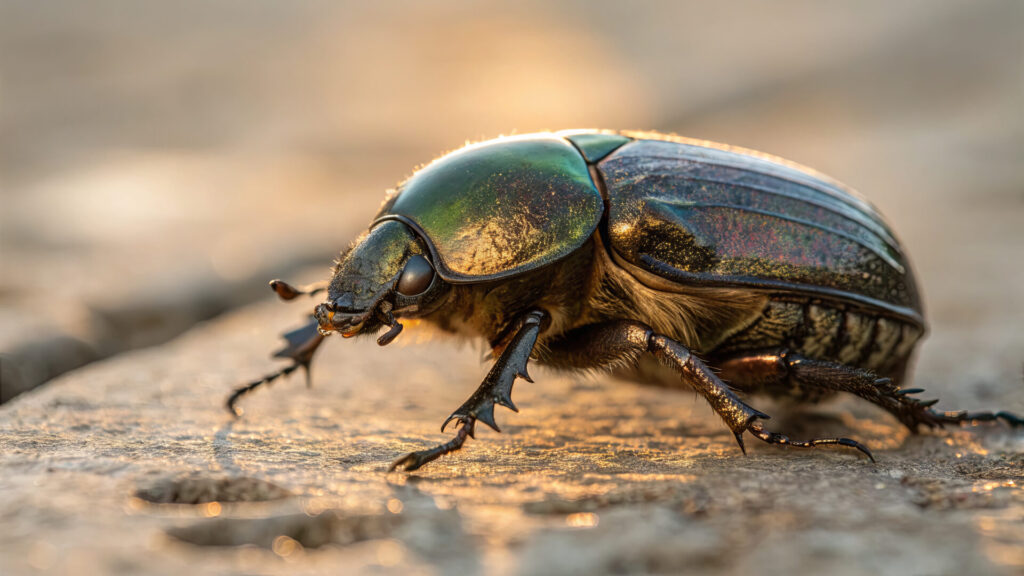
Identifying Common Pests in Commercial Landscapes
Understanding which pests commonly affect commercial gardens helps us act quickly and prevent widespread damage. In Western Australia, several insects are known for targeting lawns, hedges and ornamental plants, and early detection is essential for maintaining healthy landscapes.
Pests That Target Lawns
Lawn beetles and their larvae are some of the most destructive pests in commercial settings. They feed on grass roots, causing patches to thin out or die off completely. We regularly inspect turf areas for soft spots, discolouration or increased bird activity, which often signals underground activity. Early treatment prevents lawns from becoming uneven or unsafe.
Sap-Sucking Insects on Shrubs and Trees
Aphids, scale and whiteflies are common across hedging plants and feature trees. These pests drain nutrients from plant tissue, leaving leaves curled, sticky or yellowing. If left unmanaged, they not only weaken plants but also attract secondary issues such as sooty mould. Monitoring new growth, stems and the underside of leaves helps us spot problems before they spread.
Caterpillars and Leaf-Eating Pests
Caterpillars and web-forming larvae can rapidly defoliate plants, especially softer shrubs. We look for chewed edges, webbing or frass around foliage. Quick identification allows us to apply the appropriate treatment and protect the structure and shape of your commercial plantings.
Effective Weed Control Techniques for Large Outdoor Spaces
Weeds can quickly take over commercial landscapes if they aren’t managed properly, affecting both presentation and plant health. A structured approach helps us keep outdoor areas tidy, safe and visually appealing, especially across large or high-traffic sites.
Manual and Mechanical Removal
For many commercial properties, physical removal remains one of the most reliable first steps. Hand pulling, hoeing and mechanical edging help us remove weeds before they mature or spread seed. This method is especially useful around pathways, gardens near entrances and areas where herbicide use may be restricted. Consistency is key because early removal reduces long-term regrowth.
Mulching and Soil Management
Mulching plays a major role in suppressing weed germination by blocking light and helping soil retain moisture. We use high-quality mulch that breaks down gradually and improves soil structure over time. Healthy soil supports stronger plants, which naturally outcompete weeds. Regular top-ups ensure mulch continues to protect garden beds throughout the year.
Selective Herbicides and Targeted Treatments
For large open spaces such as verges or garden islands, selective herbicides can be an effective complementary strategy. We apply products that target specific weed types while protecting surrounding plants. Careful timing and application prevent overspray and minimise environmental impact, keeping your commercial landscape clean and manageable.
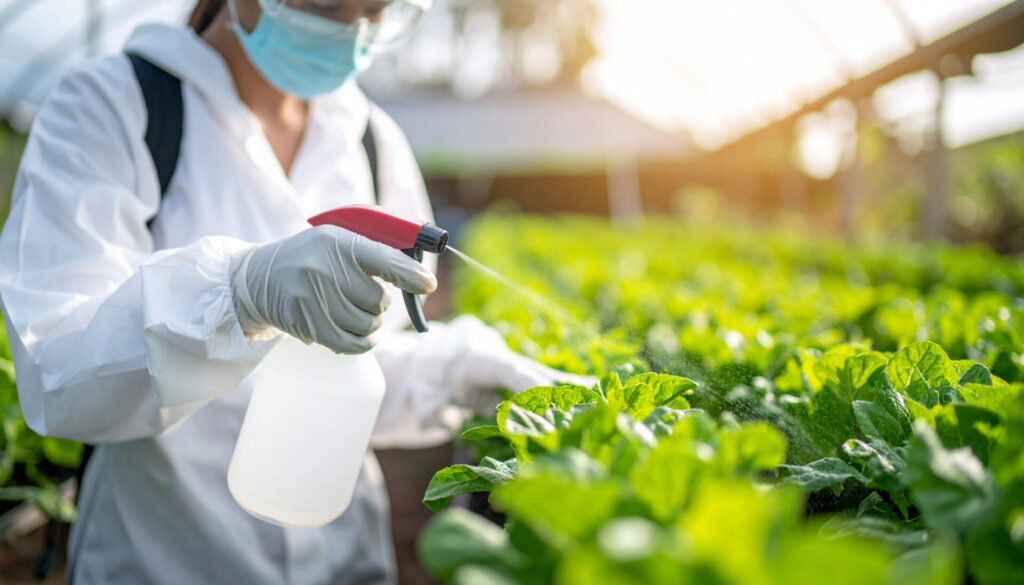
Integrated Pest Management for Long-Term Results
Integrated Pest Management is one of the most effective ways to protect commercial gardens without relying heavily on chemicals. By combining multiple strategies, we create balanced environments where pests are controlled naturally and landscapes remain healthier over time. This approach helps us reduce risks, improve sustainability and maintain high presentation standards across commercial sites.
Biological Controls
Biological controls involve using natural predators or beneficial organisms to manage pest populations. Ladybugs, lacewings and predatory mites all feed on common garden pests like aphids and whiteflies. By encouraging these beneficial species through plant selection and habitat creation, we can maintain healthier, more stable plant communities with less intervention.
Cultural and Environmental Practices
Strong cultural practices form the foundation of any successful IPM program. This includes proper pruning, irrigation management, soil improvement and plant selection suited to local conditions. When plants are healthy and well supported, they are far more resistant to pest pressure. Environmental adjustments such as removing debris, improving airflow and reducing excess moisture also help reduce pest habitats.
Targeted Chemical Use When Necessary
While IPM prioritises low-impact methods, there are situations where targeted chemical treatments are required. In these cases, we choose products carefully and apply them with precision to avoid harming beneficial insects or nearby planting areas. This balanced approach ensures effective control while maintaining long-term landscape health.
Safe and Environmentally Responsible Chemical Treatments
Chemical treatments can play an important role in managing pests and weeds, but they must be used carefully and responsibly within commercial environments. Our focus is always on protecting the landscape, the people who use it and the surrounding ecosystem. When chemicals are required, we select the safest and most effective options available and apply them in a controlled, compliant manner.
Knowing When Chemical Intervention Is Appropriate
We never rely on chemicals as a first step. Instead, we assess the severity of the issue, the type of pest or weed involved and the potential impact on surrounding plants. Chemical treatments are typically reserved for situations where non-chemical methods are not effective enough or when a rapid response is needed to prevent widespread damage.
Low Toxicity and Targeted Products
Choosing the right product is essential for maintaining a safe and sustainable landscape. We prioritise low toxicity formulations that break down quickly and pose minimal risk to beneficial insects, wildlife and nearby planting areas. Selective herbicides and targeted insecticides allow us to treat specific problems while avoiding unnecessary disruption.
Protecting the Site and Environment
Our team applies all treatments in accordance with Australian safety regulations and environmental guidelines. This includes monitoring weather conditions, preventing overspray and ensuring treatments do not enter stormwater systems. By taking a precise and responsible approach, we protect your commercial grounds while keeping the broader environment safe.
Seasonal Strategies for Managing Pests and Weeds
Seasonal changes have a strong influence on how pests behave and how quickly weeds establish themselves. By adjusting maintenance techniques throughout the year, we keep commercial landscapes healthy, presentable and better protected against potential outbreaks. Each season brings its own challenges, so our strategies shift to match the conditions and maintain consistent standards across your site.
Spring Growth Management
Spring is the season when both plants and pests become active. We focus on early weed removal, monitoring new plant growth and applying preventative treatments where needed. This is also the ideal time to refresh mulch and check irrigation systems to support healthy development before temperatures rise.
Summer Pest Prevention
Hot weather encourages rapid pest breeding cycles, especially in lawns and hedges. We increase inspections for lawn beetles, caterpillars and sap sucking insects. Maintaining proper watering and reducing plant stress is essential, as stressed plants are more vulnerable to pest damage. Weed control also becomes a priority as seeds germinate quickly in warm conditions.
Autumn Clean Up and Monitoring
Autumn provides a valuable opportunity to tidy up debris, prune back overgrowth and improve airflow around plants. Removing leaf litter reduces pest habitats and helps prevent fungal issues when winter moisture arrives.
Winter Weed Suppression
Many pests slow down in winter, but weeds like winter grass thrive. We focus on early detection, selective herbicides where required and maintaining soil health. Winter preparation ensures your landscape is ready for vigorous spring growth.
Why Partnering with Professionals Protects Your Investment
Managing pests and weeds across commercial landscapes requires consistency, expertise and the right tools. When businesses partner with a professional team, they benefit from structured planning, accurate diagnosis and long-term prevention rather than short-term fixes.
At Externals, our expert commercial garden maintenance service allows us to assess issues early, apply suitable treatments and create tailored programs that match each site’s unique conditions. This level of attention ensures landscapes remain healthy, safe and visually appealing throughout the year. With trained horticulturists, specialised equipment and a deep understanding of local pest behaviour, we help protect the value of your outdoor spaces while keeping them aligned with your business presentation standards.
Bringing It All Together for a Healthier Commercial Landscape
Have you ever considered how much smoother your landscape management becomes when pests and weeds are controlled before they have a chance to spread?
A strategic and consistent approach helps commercial gardens stay healthier, more attractive and far easier to maintain across every season. By combining preventative care, targeted treatments and professional guidance, we help businesses protect their outdoor environments and maintain strong presentation standards. Whether your site is large, complex or heavily used, a well-planned approach to pest and weed control keeps everything functioning at its best and reflects the quality and values of your organisation.
As a Perth-based team, Externals Landscape Services brings experience, consistency and a tailored maintenance approach that reflects your organisation’s values. With the right support, your commercial gardens can stay vibrant, resilient and welcoming in every season.